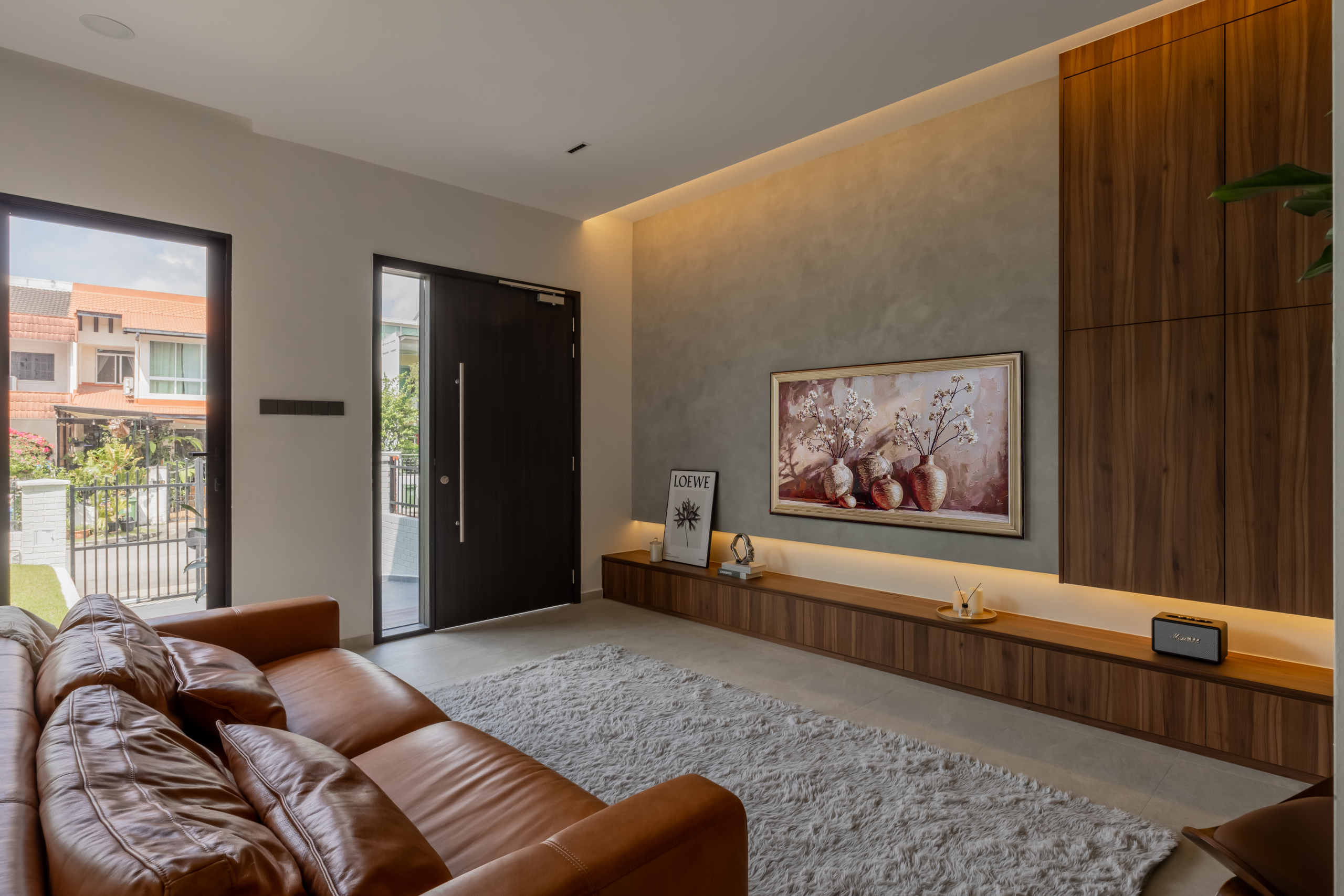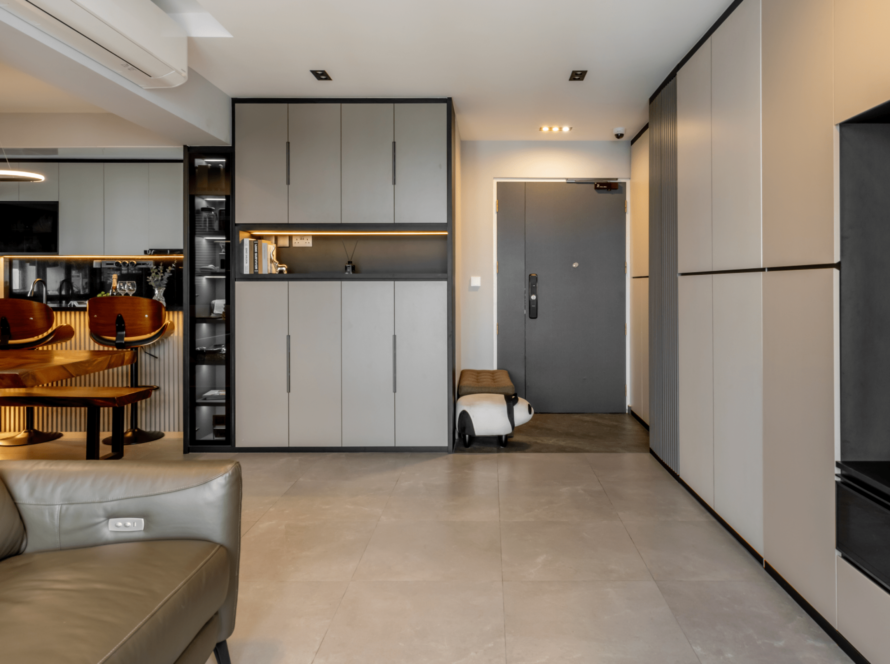


Introduction: Creating a Condo That Feels Like Home
A condominium in Singapore offers more than a place to live. It can become a personal retreat from the city’s busy pace, a welcoming space for family and friends, and an expression of the people who call it home. The challenge lies in bringing these different needs together while making the most of the available space.
For some homeowners, the ideal condo interior features warm timber finishes, heritage-inspired details and a sense of nostalgia. Others prefer contemporary minimalism, elegant stone surfaces or the understated sophistication of modern luxury. Increasingly, homeowners are finding ways to combine these influences, creating interiors that feel individual rather than tied to a single design trend.
Thoughtful condo interior design in Singapore begins with understanding how a home should look, feel and function. The right layout, materials, lighting and furnishings can transform an ordinary apartment into a comfortable living environment that reflects personal taste without compromising everyday practicality.
If you are planning to transform your apartment, explore Musen Interior’s condominium interior design services for inspiration on creating a home that balances personal style, functionality and timeless appeal.
In this guide, we explore inspiring condominium interior design ideas, from heritage charm to modern luxury, alongside practical considerations for creating a functional and welcoming home in Singapore.
Understanding Condo Interior Design in Singapore
Condominium living comes with its own design considerations. Although some apartments offer generous living areas and floor-to-ceiling windows, others require careful planning to accommodate furniture, storage and everyday activities within a more compact layout.
The aim is to make every area feel intentional. Living rooms need to support relaxation and entertaining, kitchens must remain practical, and bedrooms should offer privacy and comfort. At the same time, the overall design should feel connected rather than like a collection of unrelated rooms.
Before choosing a design style, consider three important questions:
How does your household use the home throughout the day?
Which areas need more storage, flexibility or privacy?
What atmosphere do you want to create when you walk through the front door?
These questions provide a useful starting point for planning a condo interior that suits your lifestyle.
It is also worth considering the apartment’s existing features. Natural light, window positions, ceiling heights and the relationship between the living and dining areas can influence which design approaches work best.
Rather than forcing a particular look into the space, a thoughtful design responds to the apartment’s characteristics and makes them part of its appeal.
1. Bringing Heritage Charm Into a Contemporary Condo
Heritage-inspired interiors offer a distinctive alternative to highly polished, trend-driven spaces. They draw on traditional craftsmanship, natural materials, vintage objects and familiar architectural details to create homes with warmth and character.
In Singapore, this approach can appeal to homeowners who appreciate the city’s architectural history and cultural influences.
Incorporating heritage elements into a modern condominium does not mean recreating an old-fashioned interior. The most successful approach is selective: introduce a few meaningful details and balance them with contemporary furniture, modern lighting and practical storage.
Use natural materials and traditional textures
Timber, rattan, textured fabrics and selected decorative tiles can introduce warmth and visual interest. These materials work well alongside simple contemporary forms, allowing the home to feel characterful without becoming visually busy.
For example, a modern dining area might feature a timber table, upholstered chairs and a vintage-inspired pendant. In the living room, a carefully chosen wooden cabinet or handcrafted decorative object can provide a subtle connection to the past.
Introduce vintage pieces with intention
A home can feel more personal when it includes objects that carry meaning. An inherited cabinet, a vintage chair or artwork collected during travels can become a focal point within an otherwise contemporary interior.
The key is restraint. A few well-chosen pieces often create more impact than filling every surface with decorative objects.
Balance nostalgia with modern comfort
Heritage-inspired design works best when the home still supports present-day living. Concealed storage, comfortable seating, modern appliances and effective lighting can coexist with traditional materials and decorative accents.
This balance creates a home that feels rooted in character while remaining suited to contemporary condominium living.
2. Embracing Modern Luxury Without Overdoing It
Modern luxury interior design is often associated with marble, metallic details, designer furniture and dramatic lighting. Yet an elegant home does not need every expensive finish to create a premium impression.
True sophistication often comes from proportion, consistency and the quality of the overall design.
A carefully planned living room with beautiful materials, comfortable furniture and balanced lighting can feel more refined than a space filled with competing statement features.
Choose a restrained colour palette
Warm white, beige, taupe, soft grey and natural wood tones provide a versatile foundation for luxury condo interiors. These colours create a calm background that allows furniture, textures and selected decorative elements to stand out.
For greater depth, combine different finishes within the same palette. Matte cabinetry, textured wall surfaces, soft upholstery and subtle stone patterns can add interest without relying on strong contrasts.
Focus on materials that work together
Stone-inspired surfaces, timber finishes, glass, metal and quality fabrics can contribute to a sophisticated interior when used thoughtfully.
Rather than choosing each material independently, consider how the finishes relate to one another. Warm timber can soften the appearance of stone, while fabric and textured surfaces can prevent a room from feeling too hard or reflective.
Physical samples are useful because colours and textures may appear different under showroom lighting and the actual lighting conditions of your apartment.
Make lighting part of the design
Lighting can change the atmosphere of a room more dramatically than many decorative upgrades.
General lighting provides overall visibility, task lighting supports activities such as reading or cooking, and accent lighting draws attention to selected features.
In a luxury condo, layered lighting can highlight artwork, textured walls or architectural details while creating a comfortable atmosphere in the evening.
The aim is not to make every light a feature. It is to ensure that each lighting choice serves a purpose and contributes to the overall experience of the space.
3. Exploring Six Inspiring Condo Interior Design Styles
There is no single style that suits every condominium. The right approach depends on your preferences, the apartment’s layout and the atmosphere you want to create.
Contemporary elegance
Contemporary interiors combine clean lines, balanced proportions and a mix of modern materials. They can feel sophisticated without being overly formal.
A neutral living room, streamlined cabinetry and carefully selected lighting create a strong foundation. Personal touches such as artwork, cushions and decorative objects prevent the space from feeling generic.
This style suits homeowners who appreciate a modern appearance but want enough flexibility to update furnishings over time.
Japandi simplicity
Japandi design brings together Japanese-inspired simplicity and Scandinavian warmth. Natural timber, muted colours, uncluttered surfaces and functional furniture help create a calm living environment.
For condominium owners, this approach can be particularly effective when the goal is to reduce visual clutter and make the apartment feel more open.
Storage should be planned carefully, however. Minimalism is easier to maintain when everyday belongings have practical places to go.
Modern luxury
Modern luxury focuses on refined finishes, comfortable furnishings and a cohesive design language. Stone surfaces, timber details, tailored upholstery and layered lighting can create a polished result.
Rather than using a luxury finish in every room, choose a few elements that deserve attention and let the rest of the interior support them.
Industrial character
Industrial-inspired interiors use materials and finishes that convey an understated, architectural character. Dark metal details, textured surfaces and timber accents can introduce contrast and depth.
In a condominium, this style often works best when softened with warm lighting, comfortable fabrics and carefully chosen colours. Too many dark or visually heavy elements can make a smaller apartment feel enclosed.
Nature-inspired living
Nature-inspired interiors use greenery, natural textures, daylight and earthy colours to create a more relaxed atmosphere.
Timber finishes, linen upholstery, stone-inspired surfaces and indoor plants can help bring visual warmth into an urban home.
Plant selection should reflect the available daylight and the amount of care you are willing to provide. Natural inspiration can also come from materials, artwork and colour rather than relying entirely on live plants.
Eclectic and collected interiors
An eclectic home combines influences from different periods, cultures or design styles. It may include contemporary furniture, vintage accessories, distinctive artwork and unexpected colour combinations.
The challenge is to create a sense of cohesion. Repeating a few colours, materials or shapes helps different pieces feel connected.
This approach is ideal for homeowners who want their condo to feel individual rather than resemble a showroom.
4. Make Space Planning a Priority
Even the most attractive finishes cannot compensate for a layout that feels uncomfortable to use. Effective space planning is one of the foundations of good condominium interior design in Singapore.
Start with the main activities that take place in each room. Consider where people sit, walk, work, cook and store their belongings.
Keep the living area open and comfortable
Choose furniture according to the actual dimensions of the room. A sofa that is too large can interrupt circulation, while an oversized coffee table may make the seating area difficult to navigate.
A well-proportioned arrangement often creates a more luxurious impression than adding extra furniture or decorative features.
Where possible, keep the relationship between the living and dining areas visually consistent. Coordinated finishes, lighting and furniture proportions can help the apartment feel more spacious.
Design storage around real needs
Built-in wardrobes, kitchen cabinets and concealed storage can help maintain an organised appearance. However, custom carpentry should solve a specific problem rather than occupy every available wall.
Identify the belongings that need to be stored, how frequently they are used and where they are most convenient to access.
For compact condominium apartments, multifunctional furniture may also be useful. A storage bench, a dining table with practical proportions or a well-designed study area can improve usability without adding unnecessary bulk.
Preserve flexibility
A condominium should be able to accommodate changes in lifestyle. A spare room might eventually become a nursery, a home office or a guest bedroom.
Avoid committing every area to a highly specialised function unless you are confident it will remain useful. Flexible furniture and adaptable storage can help the home evolve over time.
5. Create a Cohesive Kitchen and Dining Space
The kitchen is an important part of many condominium homes, particularly for households that cook regularly or enjoy entertaining.
A successful kitchen design balances appearance with workflow. Consider the relationship between food preparation areas, the sink, cooking appliances and storage before deciding on cabinet finishes.
For a contemporary look, homeowners may prefer streamlined cabinetry, coordinated hardware and a restrained colour palette. Natural timber accents can introduce warmth, while suitable worktop materials can contribute both visual interest and everyday practicality.
Storage should reflect actual cooking habits. Frequently used cookware and ingredients should be easy to access, while appliances used less often can be stored in appropriate cabinets.
The dining area should also suit the household. A compact table may be sufficient for everyday meals, while a larger arrangement may be more suitable for homeowners who entertain frequently.
If the kitchen and dining area share an open layout, consistent materials and thoughtful lighting can help the spaces feel connected without making them indistinguishable.
6. Design a Bedroom That Feels Like a Private Retreat
A well-designed bedroom should provide a comfortable place to rest while accommodating the practical needs of everyday life.
Begin with the bed position, walking space and storage requirements. Wardrobes should be planned around the available dimensions, doors and windows. In tighter layouts, sliding wardrobe doors may be worth considering if they improve access and circulation.
The colour palette can also influence the atmosphere. Soft neutrals, warm timber and tactile fabrics often create a calm environment, while carefully selected artwork or a distinctive bedside detail adds personality.
Lighting should support different activities. General lighting provides overall brightness, while bedside lamps or adjustable reading lights make it easier to wind down without illuminating the entire room.
Avoid overcrowding the bedroom with unnecessary furniture. A comfortable layout, appropriate storage and a few meaningful details can create a more inviting space than a room filled with decorative features.
7. Use Lighting and Natural Daylight to Transform the Interior
Singapore’s tropical climate and bright daylight make window placement and shading important considerations in condominium design.
Natural light can make rooms feel more open, but direct sunlight may also create glare or unwanted heat depending on the apartment’s orientation and window exposure.
Window treatments should therefore balance daylight, privacy and comfort. Sheer curtains can soften incoming light, while other suitable coverings may be needed where greater privacy or light control is important.
Artificial lighting should complement the natural light available throughout the day.
In living areas, a combination of general lighting and selected accent lights can provide flexibility. Kitchens benefit from focused illumination over work surfaces, while bedrooms often work well with softer, layered lighting.
Avoid choosing lighting fixtures solely because they look impressive. Their scale, placement, brightness and light distribution should suit the room.
8. Consider Practical Renovation Details Before Committing
A condominium renovation involves more than design concepts and material selection. It also requires careful planning around building management requirements, work schedules, contractor coordination and the specific conditions of the apartment.
Before renovation begins, check the condominium’s management requirements, including permitted working hours, access arrangements, renovation deposits where applicable and any restrictions on noisy work or shared areas.
Confirm whether the proposed alterations are permitted and whether relevant approvals are needed. Structural elements, plumbing, electrical installations and other specialist work may require additional checks or qualified professionals.
It is also worth confirming what is included in the renovation quotation. Review the materials, scope of work, exclusions, payment milestones and how additional work will be handled.
If you are updating an existing condominium, assess the condition of the finishes and fittings before deciding whether everything needs replacing. Retaining suitable existing features may allow more of the budget to be directed towards improvements that matter most.
A clear plan can help reduce avoidable changes and make the renovation process easier to manage.
9. Choose an Interior Designer Who Understands Your Vision
Selecting an interior designer is an important step in turning inspiration into a workable home.
Start by reviewing completed projects and looking beyond photographs. Consider whether the layouts appear practical, the materials work together and the overall design feels appropriate for the type of property you own.
During a consultation, explain your lifestyle, priorities and budget. Share the design styles you are drawn to, but remain open to suggestions that respond better to the actual apartment.
Ask about the design process, quotation details, project coordination, communication arrangements and how changes will be managed during renovation.
It is also important to understand the scope of the proposed work. Compare quotations carefully and confirm that the materials, quantities and services included are reasonably comparable.
For homeowners exploring professional support for their renovation, visit Musen Interior’s condominium interior design services to learn more about design solutions for condominium living.
Bringing Heritage Charm and Modern Luxury Together
One of the most interesting directions in contemporary condo interior design is the combination of traditional character and modern refinement.
A contemporary apartment might feature clean-lined furniture alongside a vintage timber cabinet. A restrained palette of cream and taupe might be complemented by traditional patterns, textured fabrics or carefully selected artwork.
These combinations work when they feel intentional. Repeating materials or colours helps different influences sit comfortably together, while allowing one or two distinctive pieces to provide character.
The goal is not to recreate a historical interior or reproduce a luxury showroom. It is to create a home that reflects the owner’s tastes, routines and experiences.
For some homeowners, that means a quiet, minimalist apartment. For others, it means a more expressive space filled with collected objects, rich textures and meaningful details. Both approaches can work when the design is grounded in a clear understanding of how the home will be used.
Create Your Ideal Condo With Musen Interior
Your condominium should reflect your lifestyle, whether you prefer heritage-inspired details, contemporary simplicity or understated luxury. The right design approach brings together thoughtful space planning, suitable materials, effective lighting and practical storage.
If you are ready to explore ideas for your home, visit Musen Interior’s condominium interior design page to learn more about its services and take the next step towards planning your ideal living space.
Conclusion
Inspiring condo interior design in Singapore is about finding the right balance between personal expression and everyday practicality. Heritage-inspired details can introduce warmth and character, while contemporary materials, thoughtful lighting and well-planned storage help a home feel comfortable and current.
Whether you prefer modern luxury, Japandi simplicity, nature-inspired interiors or a mix of traditional and contemporary influences, begin with the way you want to live. Consider the apartment’s layout, choose materials that suit your lifestyle and invest in the details that will make a genuine difference to daily comfort.
A well-designed condominium does not need to follow every trend or rely on expensive finishes. With careful planning and a clear design direction, it can become a distinctive home that feels welcoming today and remains relevant for years to come.